In November 2022 at the FERA Conference on Education, we discussed with some colleagues how there is very little going on in the field of philosophy of education in Finland. The field of educational sciences is dominated by studies of learning results, motivation, use of ICT in education, STE(A)M. We get rarely to discussed about the profound reasons behind all these. Someone also made a cynical comment, how there are not time or money for this in the academia anymore. Publish or perish.
With Elisa Vilhunen we decided to change this. If one can’t do this (anymore) at the University, why not to start an open reading circle on philosophy of education on our own time?
In late 2022 I wrote a post to some social media platforms about the Philosophy of Education Circle starting on January 6th 2023. I also made a simple web form for people to share their email address with me to get the invitation and the instructions. About 20 people registered to the circle.
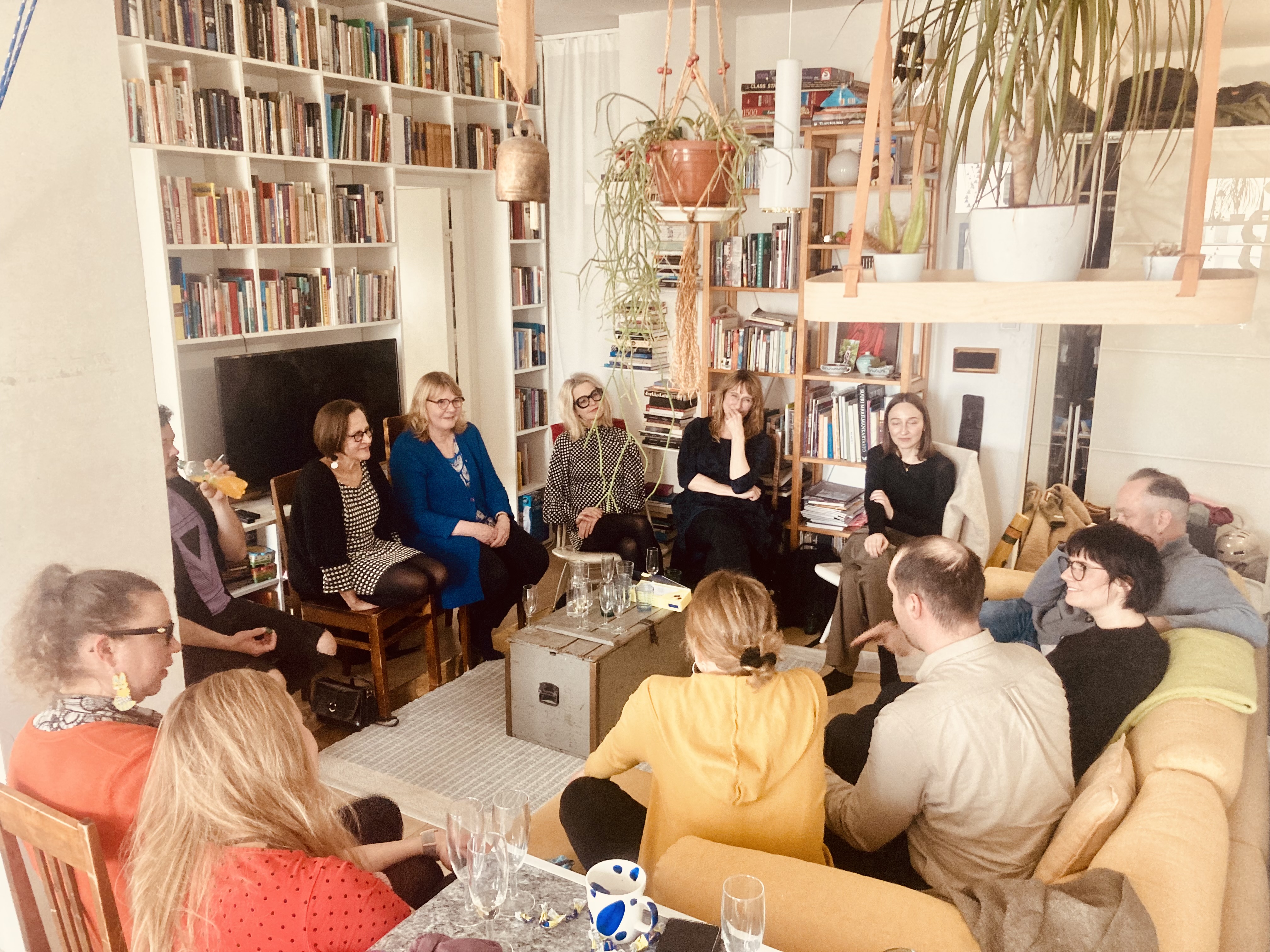
The format is super simple. We meet the first Friday of the month at my home. For each session we agree who will give a 15-20-minute talk about a theme chosen by the presenter. About a week beforehand, the presenter will share an article or a chapter of a book for everyone to read.
After the talk we discuss about it, or whatever comes to the participants mind. The discussion continues for 1 to 3 hours, or as long as there is something to discuss about. If people are busy (or get board) they may leave when ever they want to. The idea is that we have as little commitments or expectations as possible. For the sessions, however, I have written the following code of conduct:
In order for the discussion to be open and free, it would be nice if we could act according to these principles:
- The people who show up are the only right people.
- We do not represent any institution or entity at the meetings. We have no titles or affiliations. We are humans.
- What is said in the meeting may be used elsewhere, but the speaker of the matter may not be revealed (Chatham House Rule).
We have now met 16 times. We have had in average around 10-12 participants in each session. In the mailing list I have 34 people with various backgrounds; academics, teachers, early childhood educators, students, social workers . . . To be honest, I do not even know what everyone does. You may also join the session anonymously, only with your alias.
On what topics we have then discussed about?
In the case of philosophy, it often goes by a “thinker”, a person who has written something interesting. Here are the themes and “thinkers” discussed:
- Pedagogy of the oppressed – Paulo Freire – 🇧🇷
- Climate education and facing reality – Slavoj Žižek – 🇸🇮 / 🇪🇺
- The autonomy of education – Maurice Blanchot – 🇫🇷 / 🇪🇺
- Stages of moral development – Lawrence Kohlberg – 🇺🇸
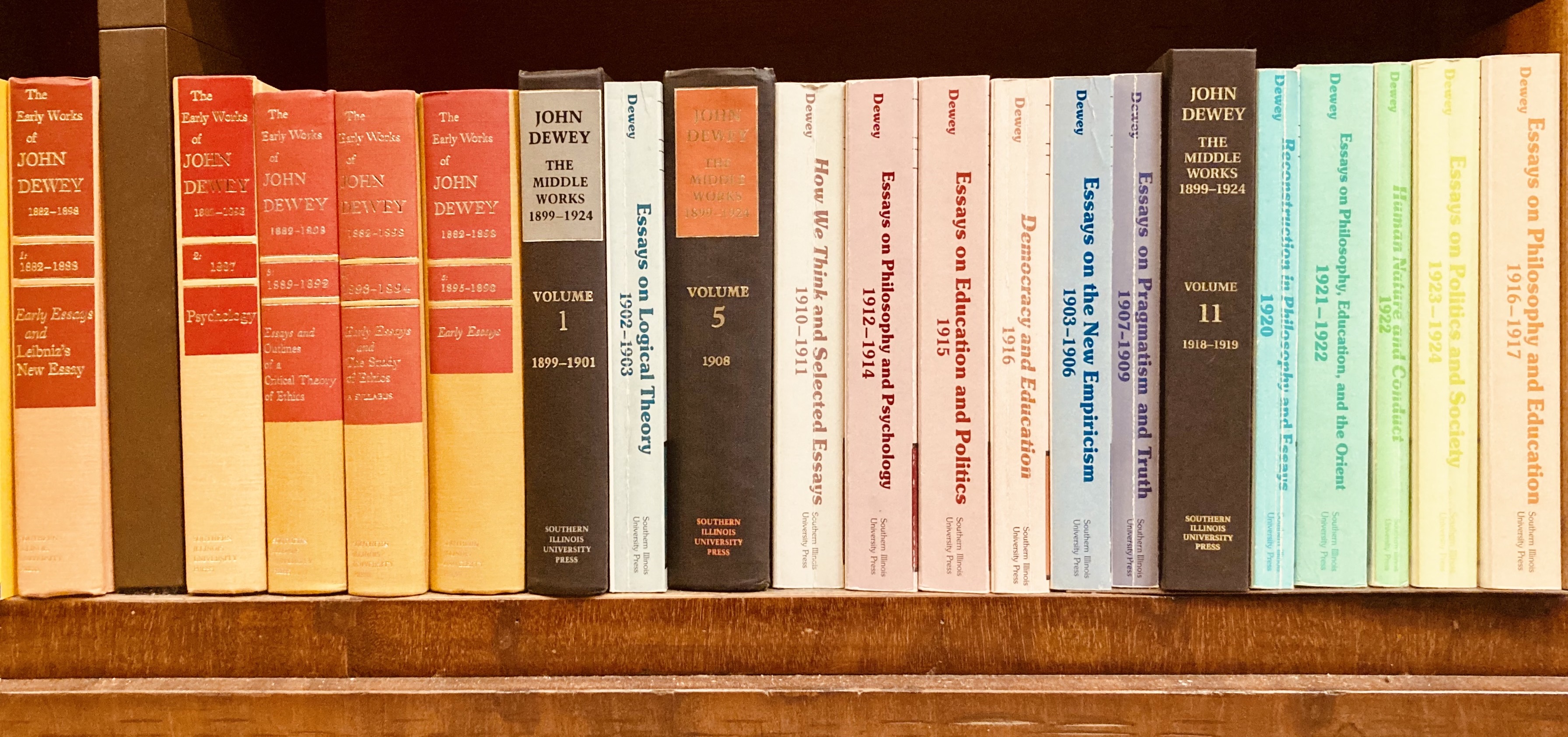
- Reflection, critical reflection, reflective thinking – John Dewey – 🇺🇸
- Controversial and difficult topics in school education – 🇫🇮 / 🇪🇺
- Buddhist thoughts on learning – Siddhartha Gautama – 🇮🇳
- Social-cultural (and philosophical) dimensions of teaching and their importance for the teacher – 🇫🇮 / 🇪🇺
- Paradoxes of education: authority and socialization versus individual independence, criticality and agency – 🇫🇮 / 🇪🇺
- Meno’s paradox and upbringing – Socrates, Plato – 🇬🇷 / 🇪🇺
- Digitalisation and self-fulfilling prophecy – Martin Heidegger – 🇩🇪 / 🇪🇺
- Toward the state of wisdom – Immanuel Kant – 🇩🇪 / 🇪🇺
- Goal of education – Alfred North Whitehead – 🇬🇧
- Emotion in an Existential Education – Georg Wilhelm Friedrich Hegel – 🇩🇪 / 🇪🇺
- Pedagogical philosophizing – 🇫🇮 / 🇪🇺
- A Defense of Unconventional Learning – Thomas Ziehe – 🇩🇪 / 🇪🇺
As you can see, I included to the end of each theme some national flags of our time. Why? Because I can, and maybe to indicate from what national / cultural context the “thinkers” come from. If nothing else, it demonstrates how Eurocentric and male dominated we have been.
“It is almost silly that these days you hardly ever have a meet-up with people, without any aims, expected results or action points. This is why this Circle is so rewarding. We just share ideas about important topics.”
– participant
We will continue the Philosophy of Education Kallio Circle on 6. September 2024 at 16.00 EEST. If you are interested in to join, you may register yourself with the web form. Welcome!
PS1: The discussion is in Finnish (and in Swedish, if required).
PS2: In the September session I promised to talk about Ivan Illich‘s (🇦🇹/🇮🇹/🇺🇸/🇵🇷/🇲🇽/🇩🇪/🇪🇺) ideas of deschooling society, medical nemesis and gender.
 Teemu Leinonen